Why Are Businesses Switching to Automated Call Centers?
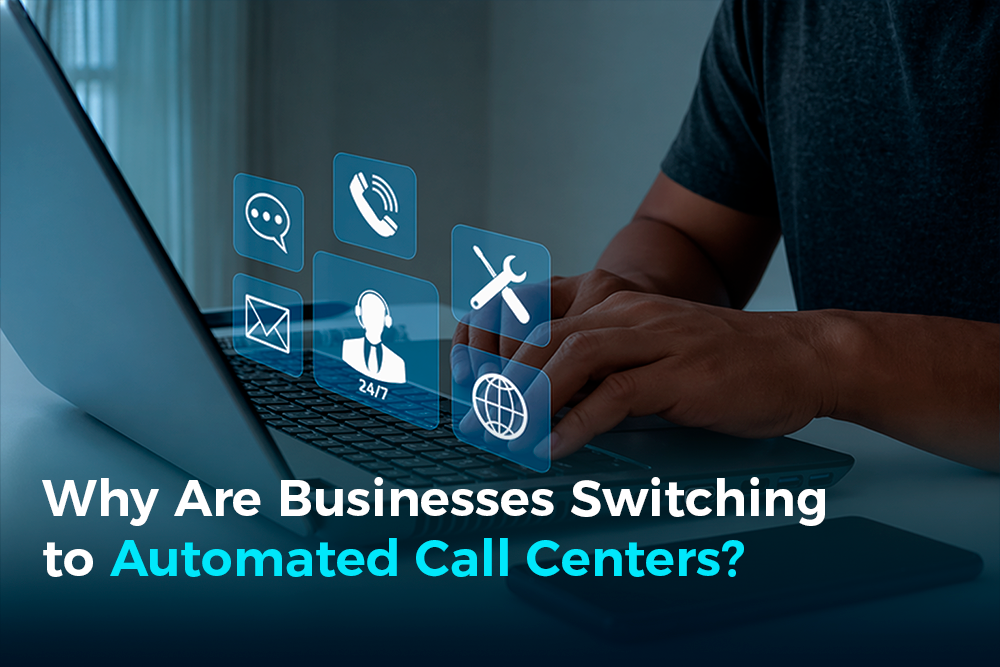
Companies are moving away from the old-school manual model and leaning heavily into call center automation solutions.
But this shift isn’t just about "replacing people." It’s about making the entire experience feel more fluid, responsive, and ironically more human by removing the robotic, repetitive tasks that bog everyone down.
What Are Automated Call Centers and How Do They Work?
Conversational AI: Gone are the days of "Press 1 for Sales." Modern call center automation uses natural language processing to actually understand what you’re saying, allowing you to speak naturally.
- Smart Routing: The system looks at who is calling and why, then instantly matches them with the person (or digital resource) best equipped to help.
- Self-Service Portals: Many common issues don't actually need a conversation. Automation gives customers the tools to solve their own problems instantly, which most people actually prefer for simple tasks.
-
Slashing Costs without Sacrificing Quality
Running a traditional call center is incredibly expensive. Between the physical real estate, the massive energy bills, and the constant cycle of hiring and training, the costs add up. An automated call center allows a business to scale its support to thousands of customers at once without needing to hire a thousand new employees.
-
Being There Whenever the Customer Needs You
The modern world doesn’t sleep. If a customer has an issue at 2:00 AM on a Saturday, they don’t want to wait until Monday morning for an answer. Automation provides 24/7 coverage, ensuring that your brand stays reliable and helpful even when the office lights are off.
Challenges and Considerations Before Implementation
Of course, it’s not as simple as flipping a switch. If you want your call center automation to feel helpful rather than cold, there are a few things to keep in mind:
- Don't Hide the Humans: There is nothing more infuriating than being stuck in a "bot loop." Always ensure there is a clear, easy way for a customer to say, "I just need to talk to a person."
- Keep it Personal: Automation should use the data you already have to recognize the customer. If I’ve been a loyal member for ten years, the system should know that and treat me accordingly.
- Start Small: Don't try to automate everything overnight. Start with the most common, simple queries and expand as the system learns your customers’ specific language and needs.
Frequently Asked Questions
Why are automated call centers becoming popular?
It’s a mix of necessity and technology. Customers now expect instant answers, and businesses need a way to provide those answers without their costs spiraling out of control. It’s the only way to stay competitive in a "right now" economy.
How do automated systems improve customer support?
They kill the wait time. By handling the easy stuff instantly, they clear the lines for people with real emergencies. It creates a faster, more organized experience where nobody feels like just another number in a queue.
Are automated call centers cost-effective?
Yes, significantly. While the tech requires an initial investment, the long-term savings on labor, training, and lost customers (who leave due to long wait times) make it one of the smartest investments a modern business can make.
Ultimately, the move to call center automation solutions is about respect, respecting the customer’s time and respecting the employee’s talent. When the machines handle the data, people are finally free to handle the connection.
21 Apr 2026
To share
.png)